
A car breakdown can happen unexpectedly, whether you are commuting to work, running errands, or traveling along a busy road in Clinton Township, Michigan. A sudden engine failure, flat tire, dead battery, or overheating problem can leave you stranded and unsure about what to do next.
Knowing how to respond when your car breaks down is important for protecting yourself, your passengers, and other drivers. Taking the right safety precautions, understanding common vehicle problems, and knowing when to request professional towing or roadside assistance can make an unexpected breakdown easier to manage.
If your vehicle stops working on a local road or highway in Clinton Township, follow these practical steps to handle the situation safely.
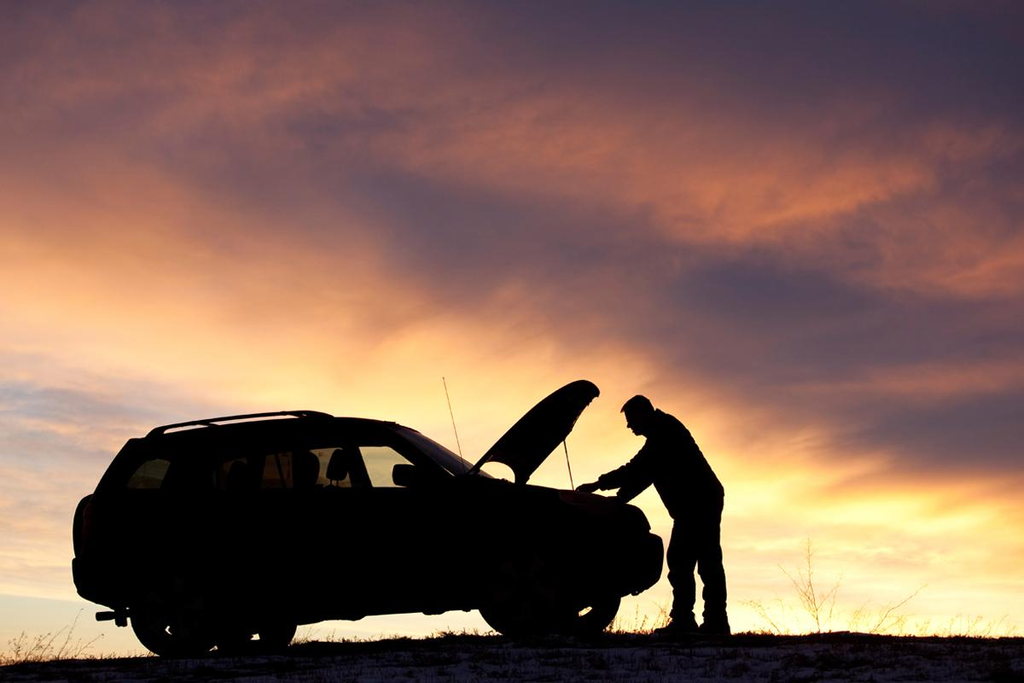
1. Move Your Vehicle to a Safe Location
The first thing to do when your car starts experiencing problems is to get away from moving traffic whenever possible.
If your vehicle is still moving, use its remaining momentum to steer toward a safe location. Depending on your surroundings, this could be:
- The right shoulder of the road
- A nearby parking lot
- A safe side street
- A designated stopping area away from traffic
Avoid stopping around blind curves, narrow shoulders, intersections, or other locations where approaching drivers may have difficulty seeing your vehicle.
If your car suddenly loses power and cannot move, do not put yourself in danger by attempting to push it through active traffic.
2. Turn On Your Hazard Lights Immediately
Once you recognize that your vehicle is experiencing a problem, activate your hazard lights.
Hazard lights alert approaching drivers that your vehicle is stopped or moving unusually slowly. They are especially important during nighttime driving, rain, fog, and other low-visibility conditions.
Keep your hazard lights on while your vehicle remains stopped in a potentially hazardous location.
If it is safe to do so, you can also use reflective warning devices to improve visibility. Never place yourself in the path of moving traffic to set them up.
3. Decide Whether to Stay Inside Your Vehicle
Your surroundings should determine whether staying inside or exiting your vehicle is safer.
When You Should Stay Inside
If your car is safely positioned on a road shoulder away from immediate hazards, remaining inside with your seatbelt fastened may be the safest option.
Keep your doors locked and contact roadside assistance or a towing provider.
When You Should Exit Your Vehicle
If your vehicle is near a blind curve, on a high-speed highway, or exposed to a serious traffic hazard, exiting may be safer if you can do so without entering moving traffic.
Move away from the roadway and get behind a guardrail or another suitable barrier when possible.
If your vehicle is smoking or leaking fuel, move away from it immediately and contact emergency services. Do not attempt to investigate the source of the smoke or leak.
4. Identify What Caused Your Car to Break Down
Once you are in a safe position, try to identify the possible reason your vehicle stopped working.
Understanding the problem can help you explain the situation when requesting roadside assistance.
Dead Battery
A weak or dead battery may prevent your vehicle from starting. Common signs include clicking sounds, dim dashboard lights, or no response when turning the ignition.
A professional jump-start may help if the battery is suitable for restarting. If the battery is damaged or no longer holds a charge, replacement may be necessary.
Flat or Damaged Tire
A flat tire can make your vehicle difficult or unsafe to control. You may notice unusual vibrations, steering problems, or a sudden loss of tire pressure.
Avoid driving on a flat tire because it can damage the wheel and create additional safety risks. Professional tire change assistance may help if you cannot safely replace it yourself.
Engine Overheating
An overheating engine may trigger a temperature warning light, produce steam, or cause unusual smells.
Stop driving as soon as it is safe, switch off the engine, and allow it to cool. Never open the radiator cap while the engine is hot.
Running Out of Fuel
An empty fuel tank can leave you stranded even when your vehicle has no mechanical problems.
If you cannot safely reach a nearby gas station, roadside fuel delivery may be an option.
Mechanical or Electrical Failure
Problems involving the alternator, starter, engine, transmission, or electrical system can prevent your vehicle from operating properly.
These issues may require professional inspection and towing to an appropriate repair facility.
5. Know What Information to Provide When Calling for Help
When contacting a towing company or roadside assistance provider, having the right information ready can help them understand your situation.
Try to provide:
- Your exact location or GPS location pin.
- The nearest street, intersection, or recognizable landmark.
- Your vehicle’s make, model, and color.
- A brief description of the problem.
- Whether your vehicle is on a road shoulder, parking lot, or active traffic lane.
- Any unusual noises, smoke, or visible damage.
- Whether your vehicle requires special towing equipment.
For example, explaining that your vehicle has a flat tire on a highway shoulder is more helpful than simply saying that your car has stopped working.
If you are stranded in an active traffic lane or facing immediate danger, contact emergency services first.
6. Understand When You Need a Tow Truck
Not every breakdown requires towing. Some problems can be addressed with roadside assistance, while others require transporting your vehicle to a repair facility.
You may need professional towing if:
- Your engine will not start after a jump-start attempt.
- Your vehicle has serious mechanical damage.
- Your engine continues overheating.
- Your tires are too damaged for safe roadside replacement.
- Your vehicle has been involved in an accident.
- Your vehicle has electrical or transmission problems.
- Continuing to drive could cause additional damage.
A professional towing service can help transport your vehicle when it is no longer safe or practical to drive.
7. Understand the Roadside Assistance Services Available
Different breakdown situations require different types of assistance. Knowing which service you need can help you request appropriate support.
Emergency Towing
When your vehicle cannot be driven safely, towing provides transportation to a repair facility or another suitable destination.
Jump Start Service
Jump-start assistance can help restart a vehicle with a weak or discharged battery, provided the battery and vehicle are otherwise suitable.
Tire Change Assistance
A roadside technician may help replace a flat tire with a usable spare when available.
Vehicle Lockout Assistance
If your keys are locked inside your vehicle, professional lockout assistance may help you regain access without unnecessary damage.
Fuel Delivery
If your vehicle runs out of gasoline, roadside fuel delivery may help you get enough fuel to reach a nearby gas station.
Winch-Out Service
If your vehicle becomes stuck in mud, snow, or another difficult surface, specialized recovery equipment may be required to move it safely.
8. Prepare Your Vehicle for Future Breakdowns
Although unexpected vehicle problems cannot always be avoided, regular maintenance can reduce the chances of certain roadside emergencies.
Here are some practical maintenance habits:
- Check tire pressure regularly.
- Inspect tire tread and look for visible damage.
- Have your battery tested periodically.
- Monitor engine temperature and dashboard warning lights.
- Check engine oil and other essential fluid levels.
- Follow the manufacturer’s recommended maintenance schedule.
- Keep your fuel tank sufficiently filled.
- Carry an emergency kit with a flashlight, reflective warning devices, and basic supplies.
Michigan drivers should also prepare for seasonal weather changes. Cold temperatures, snow, and icy road conditions can increase driving challenges and place additional demands on vehicle batteries and tires.
Roadside Assistance in Clinton Township, MI
Getting stranded because of a vehicle breakdown can disrupt your plans and create stressful situations, particularly when you are stopped near busy roads or highways.
Shaheen Towing Service provides towing and roadside assistance options for drivers in Clinton Township, MI, and surrounding communities.
Whether you are dealing with a dead battery, flat tire, vehicle lockout, or a car that needs transportation, choosing the appropriate roadside service can help you address the problem.
When requesting assistance, share your exact location, vehicle information, and a description of the issue so the service provider can better understand your needs.
If your vehicle cannot be driven safely, contact Shaheen Towing Service to discuss available towing and roadside assistance options.
Frequently Asked Questions
What should I do immediately when my car breaks down on the road?
Move your vehicle to a safe location if possible, turn on your hazard lights, and assess your surroundings. Stay away from moving traffic and request roadside assistance if your vehicle cannot be driven safely.
Should I stay inside my car if it breaks down on the highway?
If your vehicle is safely positioned away from immediate traffic hazards, staying inside with your seatbelt fastened may be appropriate. If you are near a high-speed roadway or another serious hazard, exit only when it is safe and move behind a suitable barrier.
Can I drive my car after it overheats?
Driving an overheating vehicle can cause serious engine damage. Stop in a safe location, turn off the engine, allow it to cool, and arrange professional inspection before continuing your journey.
What should I do if my car breaks down in Clinton Township, MI?
Move away from traffic, activate your hazard lights, determine whether you can safely remain inside your vehicle, and contact a roadside assistance or towing provider. Share your location and explain the problem.
Can roadside assistance help with a dead battery?
Yes. Depending on the battery’s condition, roadside assistance may provide a jump-start or battery replacement service.
When should I call a towing company?
Call a towing company when your vehicle has serious mechanical damage, cannot start, has been involved in an accident, or cannot be driven safely.
What information should I provide when requesting towing service?
Provide your exact location, vehicle make and model, vehicle condition, and the reason you need assistance. Mention whether the vehicle is blocking traffic or positioned in a dangerous location.
Does Shaheen Towing Service offer roadside assistance in Clinton Township?
Shaheen Towing Service offers towing and roadside assistance options in Clinton Township, MI. Contact the business to confirm service availability and discuss your specific roadside problem.
Final Thoughts
A vehicle breakdown can happen at any time, but knowing how to respond can make a significant difference. Moving to a safe location, turning on your hazard lights, understanding the problem, and contacting the appropriate service are important steps to take when your car stops working.
For drivers in Clinton Township, MI, being prepared for unexpected vehicle trouble can help reduce stress and improve roadside safety. Keep up with regular vehicle maintenance and know where to turn when professional towing or roadside assistance becomes necessary.